

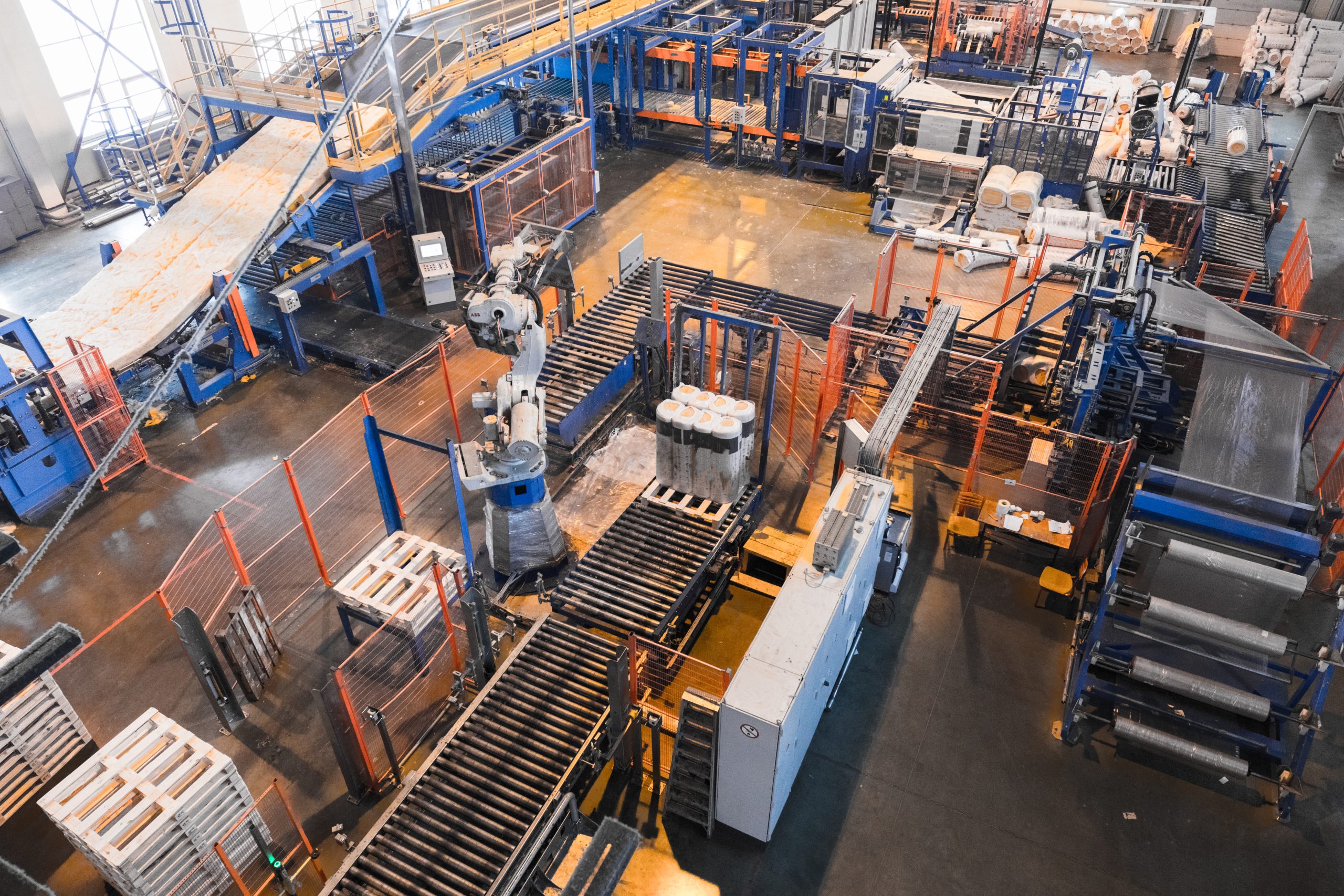
Process management is the way to gain control over working methods. The calm, predictability, and quality you gain in return for mapping out processes are an absolute must for any production environment. In this blog, you will read what process management exactly entails, which phases are involved, and how it helps organizations work more efficiently and safely. Starting with the question: ‘What is process management and what does it do for my organization?’.
What does process management do?
When processes are not properly designed, waste occurs in the form of lost time, errors, unnecessary costs, or safety risks. Effective process management is aimed at controlling and improving business processes in such a way that this waste is prevented. With the right process management tools, you work toward processes that are logically structured, clearly documented, and consistently executed. The goal of process management is not only to map everything out in detail, but also to maintain structure. Thanks to process management, employees know what is expected of them, processes become more stable, and improvements can be implemented in a focused manner. In short, process management ensures:
- Less duplicate work and waste
- Fewer errors and (unwanted) variations
- Clear responsibility
- Manageable risks
- Increased quality and improved safety
What are the five phases of process management?
Process management is not a single step or action that you carry out. It is a continuous cycle that challenges you to keep analysing, optimizing, and improving. For most production environments, this process management cycle consists of five phases. Below, we discuss these phases and the importance of each phase for strong process management.
1. Process analysis
In practice, reality often differs from what is written on paper (if documentation even exists). That is why it is important to start by mapping the current situation. How do processes actually run right now? And where are the bottlenecks, risks, or inefficiencies? During the analysis phase, processes are visualized using diagrams or process models. Lead times, error probabilities, dependencies, and safety risks are examined. The insights gained form the foundation for targeted improvement plans.
2. Design and optimization
Based on the results of the analysis, the next step is to determine the best way to redesign the processes. Processes are structured to be more effective, safer, and better aligned with business objectives. For example, steps in the process may be merged, automated, or better controlled. Standardization and risk management play a major role in this second phase. Clear work instructions, quality controls, and defined responsibilities ensure that processes become predictable. Ultimately, this should lead to working methods that are efficient, sustainable, and scalable.
3. Implementation within the organization
A process may look perfect on paper, but if it is not executed correctly, it has little value. During implementation, the focus is on translating improvements into practice. This requires clear communication, training, and employee involvement. Implementation only works if employees understand why the change is necessary and how to work with it. Process management truly becomes a valuable tool only when everyone involved feels responsible for improvement.
4. Monitoring and measurement
After implementation, the measuring begins. It is assessed whether processes are running as intended and whether objectives are being achieved. KPIs, audits, and performance indicators are used to gain insight into how the redesigned processes are functioning. Monitoring makes deviations visible before they can cause major problems. As a result, decisions are no longer based on assumptions, but on data.
5. Continuous improvement
This phase ensures that process management does not become a static system, but a permanent part of continuous improvement. Organizations change, markets evolve, and risks continuously shift. Through employee feedback, measurement results, and analyses, new input for further optimization can always be gathered. Companies that embrace this approach and continue improving remain competitive in the market.

The benefits of process management for quality and safety
By making process management a permanent part of the organization, you benefit from immediate advantages in terms of quality and safety. Less variation means fewer errors, and clear work instructions reduce the risk of human mistakes. By maintaining the right control steps, deviations are detected in time. In addition, process management supports compliance. As a company, you must meet standards, certifications, and legal requirements. Well-documented processes provide a solid foundation for related audits and inspections. Finally, risks are systematically identified and controlled, allowing incidents to be resolved and preventing their recurrence.
What is integrated process management and why is it important?
Integrated process management does not focus on individual processes, but on the bigger picture. This means that the entire chain of processes is central. When processes are not aligned, misunderstandings, delays, and waste quickly arise. Integrated process management ensures smooth coordination between systems, departments, and information flows. Production, quality, maintenance, and administration then operate within the same structure. This promotes collaboration and prevents a change or optimization in one department from creating problems in another. In this way, integrated process management makes organizations more consistent, creating more room for growth and innovation.
The difference between process management and project management
Process management and project management are often confused, but they serve different purposes. Process management focuses on stability, repeatability, and continuous improvement. It deals with ongoing activities that regularly recur within the organization. Project management, on the other hand, is a temporary activity with a beginning, objective, and end. Think of implementing a new system or building a production line. Once the objective is achieved, the project ends. While project management enables change, process management ensures that daily operations continue to run reliably. The two complement each other perfectly.
How do process management software tools make a difference?
Process management tools are becoming increasingly important. Digitalization helps with efficient documentation, structuring, and monitoring. Process management software makes information easy to understand and accessible. Employees can quickly find the right instructions, checklists, and procedures. Automatic notifications and workflows ensure that nothing is forgotten. In addition, dashboards provide real-time insight into performance, deviations, and risks. Audits become easier, changes are clearly visible, and improvements are transparent. As a result, process management software makes process improvements not only more efficient, but also more reliable.
Questions about process management? Contact us!
With the right process management tools, there is no need for complicated implementation trajectories. On the contrary, they can bring clarity, structure, and control. Would you like to know how your processes can be organized more intelligently, safely, and efficiently, supported by the right process management tools? Feel free to contact us so we can think along with you!