

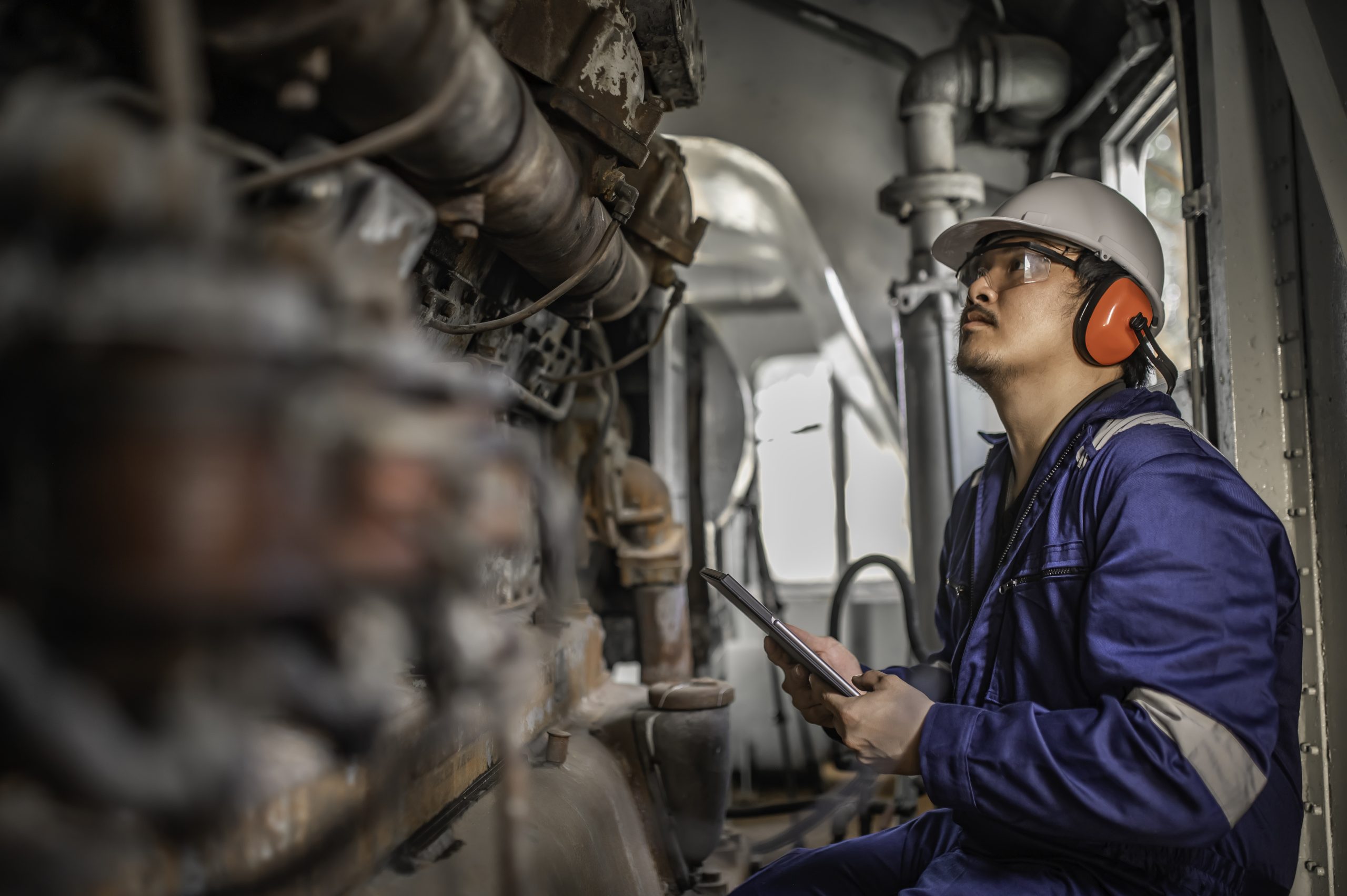
In many organisations, only quality managers or external specialists are appointed as (internal) auditors. However, there is a significant opportunity on the shop floor itself. Operators see every day what goes well and what can be improved. With internal audit training, operators are therefore perfectly capable of carrying out audits themselves. In this blog, you will learn why this is so valuable, which skills are required, and how to set up effective internal audit training for operators.
Why involve operators in internal audits?
Operators work daily with machines, systems and processes and know exactly where deviations occur or where inefficiencies arise in the workflow. This practical knowledge makes them ideal internal auditors. As internal auditors, operators recognise deviations more quickly because they are familiar with the normal situation. As a result, they can not only identify problems but also immediately contribute to solutions. When operators are upskilled through internal audit training, the focus of audits shifts from control to improvement. In addition, introducing internal audit training for operators helps to engage the shop floor and reduce a top-down culture.
What is an internal audit and what does an internal auditor do?
An internal audit is a structured review of processes, working methods and systems within an organisation. The aim is to assess whether everything is operating in accordance with agreed standards, procedures and, where applicable, external norms such as ISO guidelines. An internal auditor is the person who carries out this review. This does not mean that the internal auditor is looking for mistakes made by individuals, but rather at how processes function and where improvements can be identified and documented. In other words, an internal auditor:
- Observes how tasks are carried out.
- Asks questions to gain insight into processes.
- Compares practice with agreed procedures.
- Identifies deviations and risks.
- Reports findings in a clear and fair manner.
What skills do operators need for internal audits?
To work effectively as internal auditors, operators need a number of core skills. These skills are often already present but can be further developed and applied in a structured way after completing auditor training. Several key aspects are important within such training:
- Observation
A good auditor closely examines what is actually happening on the shop floor. This means paying attention to detail, recognising deviations and describing situations objectively—without making assumptions.
- Asking questions
Effective audits revolve around asking the right questions. Operators need to learn how to ask open questions, such as “How do you normally carry out this step?”, rather than only asking leading questions. This helps to build a complete and honest picture.
- Objectivity
An important skill is the ability to remain neutral. Operators must set aside their own opinions or experiences and focus on facts. This prevents unnecessary discussions and ensures reliable audit results.
- Communication
Audits require clear communication, both during conversations and when reporting findings. Operators need to learn how to provide feedback in a constructive and respectful way.
- Reporting
Finally, it is important that findings are recorded clearly and in a structured manner by the internal auditor. This ensures that improvement actions can be properly followed up.
Internal audit training for operators: what does it look like?
An effective internal audit training programme is practical and aligned with the daily work of operators. Good auditor training therefore goes beyond theory alone. Operators mainly learn by doing, which means an internal audit course typically consists of the following components:
- Basic knowledge of audits
Operators receive a clear explanation of what an internal audit is, why it is carried out and what their role is within it. This forms the foundation for understanding and motivation.
- Audit methodology
In this phase of the training, operators learn how an audit is structured—from preparation and execution to reporting. This includes using checklists and structuring findings.
- Skills training
This part focuses on observation, questioning and communication. It often involves role play and practical exercises, allowing operators to experience how an audit conversation works in practice.
- Practical exercises on the shop floor
The most important part of the training is carrying out real or simulated audits in practice. This helps operators to immediately apply everything they have learned during the internal audit course in their own working environment.
- Feedback and guidance
After the exercises, operators receive targeted feedback. This helps them to further develop their skills and gain confidence in their role as internal auditors.
When is an internal audit course for operators effective?
Training operators to become internal auditors is only truly effective when the right conditions are in place. If this is not the case, there is a risk that the training will have little impact on daily practice. The following conditions are essential for impactful auditor training:
- Guidance and support
Operators need guidance from experienced auditors or supervisors, especially in the beginning. This helps them build confidence and prevents them from reverting to old habits.
- Clear scope
It is important to clearly define what operators will and will not audit. For example, start with simple processes or departments so they can gradually build experience.
- Time and space
After completing the internal auditor course, operators must be given sufficient time to actually carry out audits. If audits are treated as an “extra task”, quality will decline and enthusiasm will fade.
- Open organisational culture
A culture in which mistakes can be discussed and feedback is valued is essential. Without this openness, audits will be less honest and less effective.
- Embedding in processes
Finally, audits must become part of daily work processes. This includes fixed audit moments, follow-up of actions and feedback on results.
Questions about operators and internal audits? Get in touch!
Would you like to deploy operators for internal audits but are unsure where to start with an internal audit course? Or are you curious about what an internal auditor training programme could look like within your organisation? Feel free to contact us for advice or a no-obligation consultation. Together, we will explore how your organisation can get the most out of internal audits.