

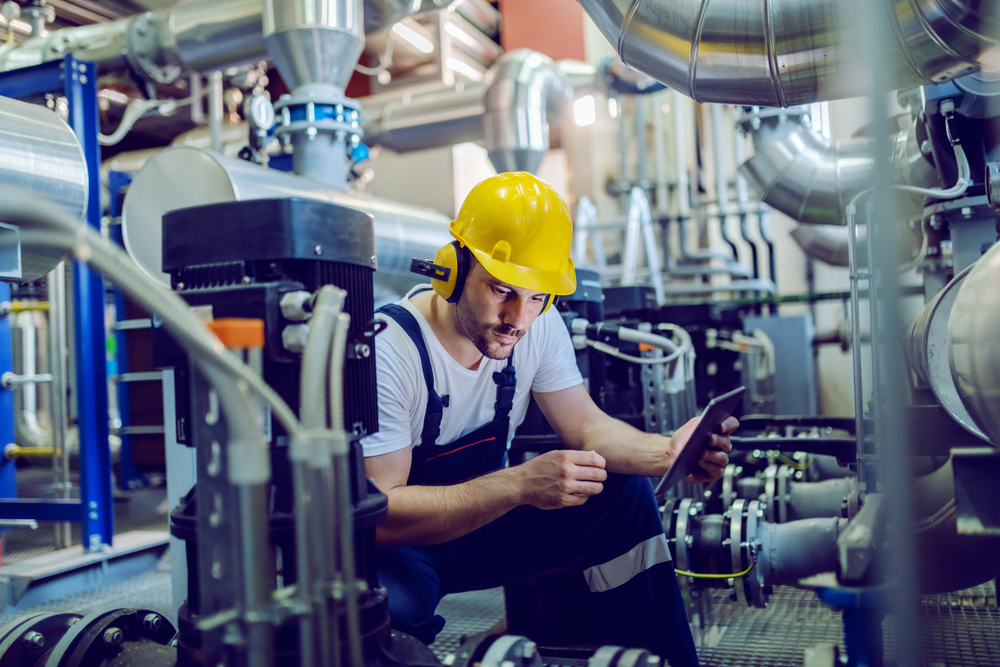
In the industrial sector, the term operator is used everywhere. It is an umbrella term used to describe someone responsible for operating, monitoring and optimising machines and production processes. Within this broad role, there are various specialisations. Examples include process operators, as well as machine operators and production operators. In this blog, we take a closer look at the role of the process operator and explain the difference compared to an operator working on the shop floor.
What exactly does a process operator do?
A process operator is responsible for monitoring, controlling and adjusting production processes. This often takes place in an automated environment, for example from a control room, where the process operator uses computer systems and measuring equipment to closely oversee the process. If we want to answer the question “What does a process operator do?” concisely, it would be:
“The core of a process operator’s work revolves around optimising processes, including monitoring temperature, flow, pressure and chemical compositions.”
When deviations occur, the process operator must act quickly and intervene to prevent malfunctions or quality issues. This may involve adjusting settings or taking immediate action on the shop floor. As production processes often run 24/7, a process or production operator typically works in shifts.
What does an operator on the shop floor (machine operator) do?
The question of what an operator does is too broad to truly understand the role of a machine operator. That is why we will also look more closely at the question: “What does a machine operator do?” An operator on the shop floor, such as a machine operator, works directly with machines and production lines. Unlike the process operator, who works more remotely, this operator is physically present in the production environment. The machine operator is responsible for operating, adjusting and monitoring machines. In addition, they carry out quality checks to ensure products meet the required standards. Minor faults are resolved independently, while more complex technical issues are handled in cooperation with the technical department. If a machine does not function properly or a product fails to meet quality requirements, immediate action is taken. The machine operator is responsible for ensuring a smooth production process with minimal downtime and waste.
What is the difference between an operator and a process operator?
Although the terms are sometimes used interchangeably, there is a clear difference between a shop floor operator (machine or production operator) and a process operator. The main difference lies in the working environment and the level of automation. A process operator often works in a control room and deals with complex, automated processes. The focus is on monitoring, analysing and adjusting processes remotely. In contrast, a machine or production operator works directly with machines and production lines on the shop floor. Their focus is more on practical execution, physical checks and resolving issues on the spot. There is also often a difference in the level of knowledge required. Process operators generally need more theoretical knowledge, for example in chemistry or process technology. Machine and production operators, on the other hand, benefit more from technical skills and hands-on experience. Because of these differences, both roles are essential in a production environment and complement each other where needed.
In which sectors do operators work?
Operators are active in almost all industrial sectors. Some key examples include:
- Chemical industry: Operators work with complex chemical processes and installations.
- Food industry: Operators ensure the production and processing of food products in line with strict hygiene and quality standards.
- Energy sector: For example, in power plants where operators are responsible for generating and distributing energy.
- Manufacturing industry: In factories producing goods such as car parts or machinery, operators play a key role.
What skills and responsibilities does an operator need?
There are several essential skills every operator needs in order to perform the role successfully. Technical insight is crucial to understand machines and processes and to identify and solve issues in a timely manner. Problem-solving ability is therefore another key skill, as faults and deviations are inevitable and must be handled quickly and effectively. Safety awareness is also essential. Many industrial environments involve heavy machinery, high temperatures or hazardous substances, so adhering to safety regulations is vital for both the operator and their colleagues. In addition, accuracy and a strong sense of responsibility are important, as small mistakes can have major consequences for production or safety. Finally, good teamwork skills are necessary to ensure optimal performance within a team setting.
Questions about factory operators and process operators? Get in touch.
Do you still have questions after reading this blog about the role of factory or process operators? Or would you like to know which position suits you best? Feel free to contact us. We are happy to help you explore your opportunities within the industrial sector.
Frequently asked questions about operators
What is the difference between an operator and a process operator?
A process operator focuses on monitoring and adjusting automated processes, often from a control room. An operator on the shop floor works directly with machines and is involved in operation, inspection and maintenance.
What exactly does an operator do?
An operator operates, monitors and optimises machines and production processes. This can range from carrying out quality checks to resolving faults and ensuring an efficient production process.
What qualifications do you need to become a process operator?
For a role as a process operator, a qualification in process technology is often required, such as a vocational (MBO-level) course (for example Operator A, B or C). Depending on the sector, additional knowledge of chemistry or engineering may be required.