

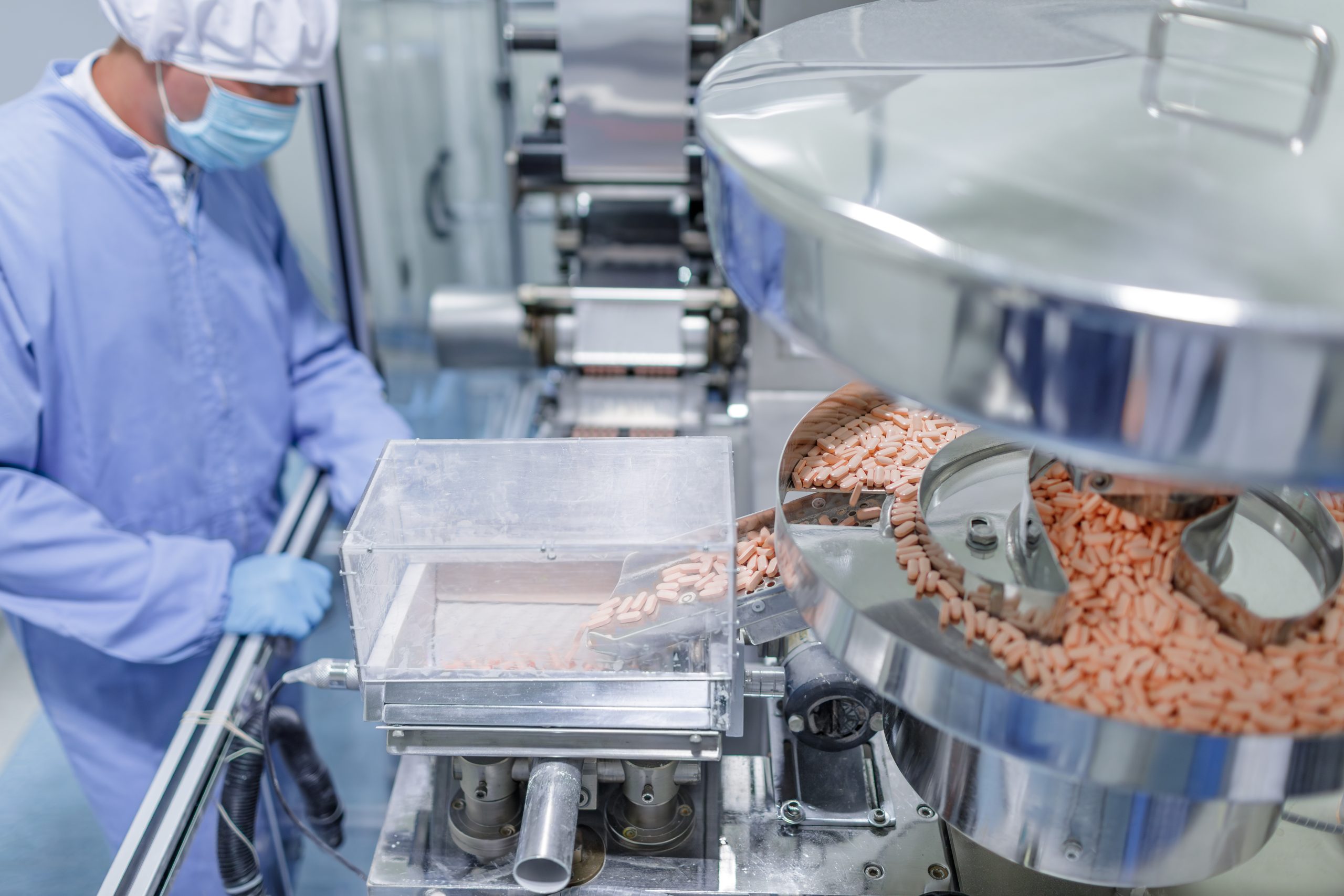
Whether a factory complies with laws and regulations, delivers the right quality, or produces efficiently is determined in part through audits. There are various audits that production environments aim to pass with flying colours. Two of these are the product audit and the process audit. In this blog, we explain the insights these audits provide and the difference between a product audit and a process audit.
What is a process audit?
A process audit focuses on the production process itself. Various steps within production are examined to determine whether work instructions, machine settings, and documentation are being used correctly. The goal of a process audit is to assess whether processes are designed and executed in such a way that they consistently deliver the desired results. This means the audit looks not only at what is done, but especially at how it is done. During a process audit, it is also assessed whether processes comply with standards such as ISO 9001 or specific customer requirements. An important characteristic of a process audit is its preventive nature. Identifying deviations at an early stage helps prevent structural errors, defective products, or customer complaints. In this way, process audits contribute to continuous quality improvement within the factory.
What is a product audit?
A product audit involves sampling finished products or semi-finished goods and checking them against predefined specifications and quality requirements. The product itself is the central focus. A product audit relies on measurable product characteristics, such as dimensions, functionality, finish, material usage, or performance. As a result, product audits may include visual inspections as well as functional tests or measurements. The goal of a product audit is to use sample-based checks to ensure that errors or deviations are detected before they can reach the customer – an outcome that is, of course, undesirable. Product audits therefore help prevent complaints, returns, and reputational damage. If certain errors recur frequently in product audits, this may indicate a structural issue in the process and signal the need for closer attention.
The difference between a product audit and a process audit in practice
Although both product audits and process audits are aimed at quality assurance, they differ significantly in approach and application. The main difference lies in the timing of the inspection and its focus. A process audit is carried out during or around the production process. For example, if a factory notices increasing variation in product quality, a process audit can help determine whether work instructions are being followed, machines are correctly set up, and whether there are deviations in raw materials. A process audit therefore focuses on the cause rather than the result. A product audit, on the other hand, is used when certainty about the final product is required -for instance when introducing a new product or changing suppliers. Product audits can also help when customer complaints are received, by establishing whether the issue actually lies in the product and how significant the impact is.
In practice, both audits complement each other. A product audit can lead to a process audit, and vice versa. Combining both audits, however, is truly effective, as it creates a strong quality system that acts both preventively and correctively.
Production audit: Monitoring the entire production line
In addition to process audits and product audits, a production audit can also be carried out. This is a more comprehensive audit for production environments, in which the entire production line is inspected. In addition to processes and products, attention is paid to the interaction between people, machines, methods, and materials involved in production. A production audit is conducted to gain deeper insight into areas such as machine safety, logistics flows, maintenance procedures, and compliance with laws and regulations. Topics such as ergonomics and staff training are also addressed. The major advantage of a production audit is that it contributes to both quality and safety in production. By identifying bottlenecks and risks throughout the entire production chain, companies can meet standards and legal requirements while simultaneously improving performance.

Questions about different audits within your factory?
Every factory is unique and requires audits that align with its processes, products, and risks. Whether you are unsure whether to start with a process audit or a product audit, or you are looking for support in improving your quality system with the right software, it is important to engage the right experts. Do you have questions about product audits, process audits, or production audits within your organization? Feel free to contact EZ Factory.