

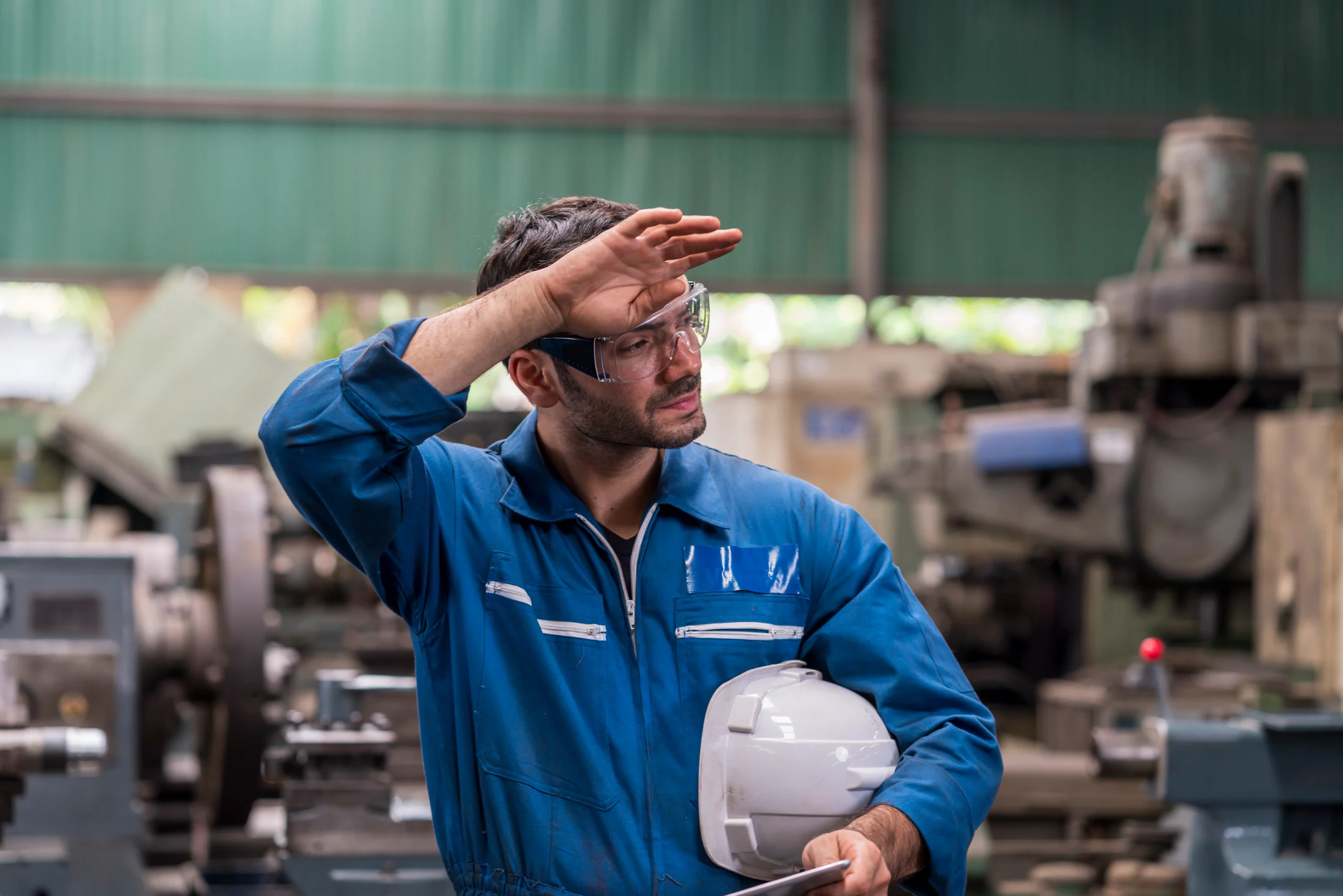
Well-trained employees form the foundation of success in the workplace. Companies that invest in training their staff often see immediate results. Productivity increases, fewer mistakes are made, and employees are more engaged. But what is the best way to approach employee training? In this blog, we explain what staff training involves, why it is so important, and how you can apply it in practice within your organisation.
What is staff training?
Staff training means providing employees with the knowledge, skills, and competencies they need to perform their jobs effectively and to continue developing. Training staff is not only about teaching new tasks, but also about improving existing skills. This includes enhancing understanding of processes and systems used on a daily basis. In a manufacturing environment, staff training is about continuous learning. New technologies, changing regulations, and improved working methods require employees to keep adapting. By giving consistent attention to training and development, you ensure that employees can perform their current roles well and are also prepared for future challenges.
Why staff training is essential for success
Investing in staff training leads to several key success factors. For example, productivity increases when employees are well trained, as they work more efficiently and make fewer mistakes. Training and development also contribute to greater job satisfaction and engagement in the workplace. Employees feel valued when an organisation invests in their personal growth. In other words: higher motivation, better performance, and lower staff turnover. In addition, training helps organisations remain flexible. Developing employees enables them to better adapt to process changes, new technologies, and market developments.
The benefits of training staff in production
In production environments, proper staff training is especially important. Even small mistakes can have major consequences for quality, safety, and efficiency. A well-designed training programme, for example, can lead to higher product quality. Employees who fully understand how machines, materials, and processes work make fewer errors and work more accurately. This reduces waste and increases the reliability of the final product. Safety also plays a crucial role. In many production environments, employees work with machinery, tools, or complex processes. Through targeted training, they learn how to work safely and recognise risks more effectively. In addition, good training leads to faster onboarding. New employees can work independently more quickly when they receive clear instructions and practical guidance.
Training staff: Practical tips for immediate results
Training staff does not have to be complicated. With a few practical steps, you can achieve results quickly. For instance, organising internal training sessions is highly effective in practice. Experienced employees can share their knowledge with colleagues, ensuring that valuable hands-on expertise remains within the company. In addition, e-learning is playing an increasingly important role in many production environments. Digital learning platforms make it possible to train employees flexibly, at a time that suits them best. This is particularly useful when working in shifts or across multiple locations. To make staff training even more efficient, software can be used. By making work instructions, checklists, and training materials available digitally, employees always have access to the right information on the shop floor.
The future of employee training and development
Employee development increasingly requires digitalisation. Companies are using digital platforms to share knowledge and organise training. AI tools are also being used more frequently to support training and development, as well as to personalise learning experiences. At the same time, microlearning is becoming more popular. This approach allows employees to learn through short, focused modules that fit easily into their working day, making learning more accessible and effective. For companies, this means that training is becoming smarter, faster, and more flexible.
Questions about the role of EZ-GO in training your employees?
Would you like to know how to make employee training within your organisation smarter and more efficient? At EZ Factory, we have the right tools and structures to make knowledge sharing easier and to manage training centrally. With our EZ-GO platform, it becomes much simpler to help staff learn more quickly on the shop floor. Do you have questions about how EZ-GO can support the training and development of your employees? Get in touch with our experts, and we will be happy to help you find the best solution for your organisation.