

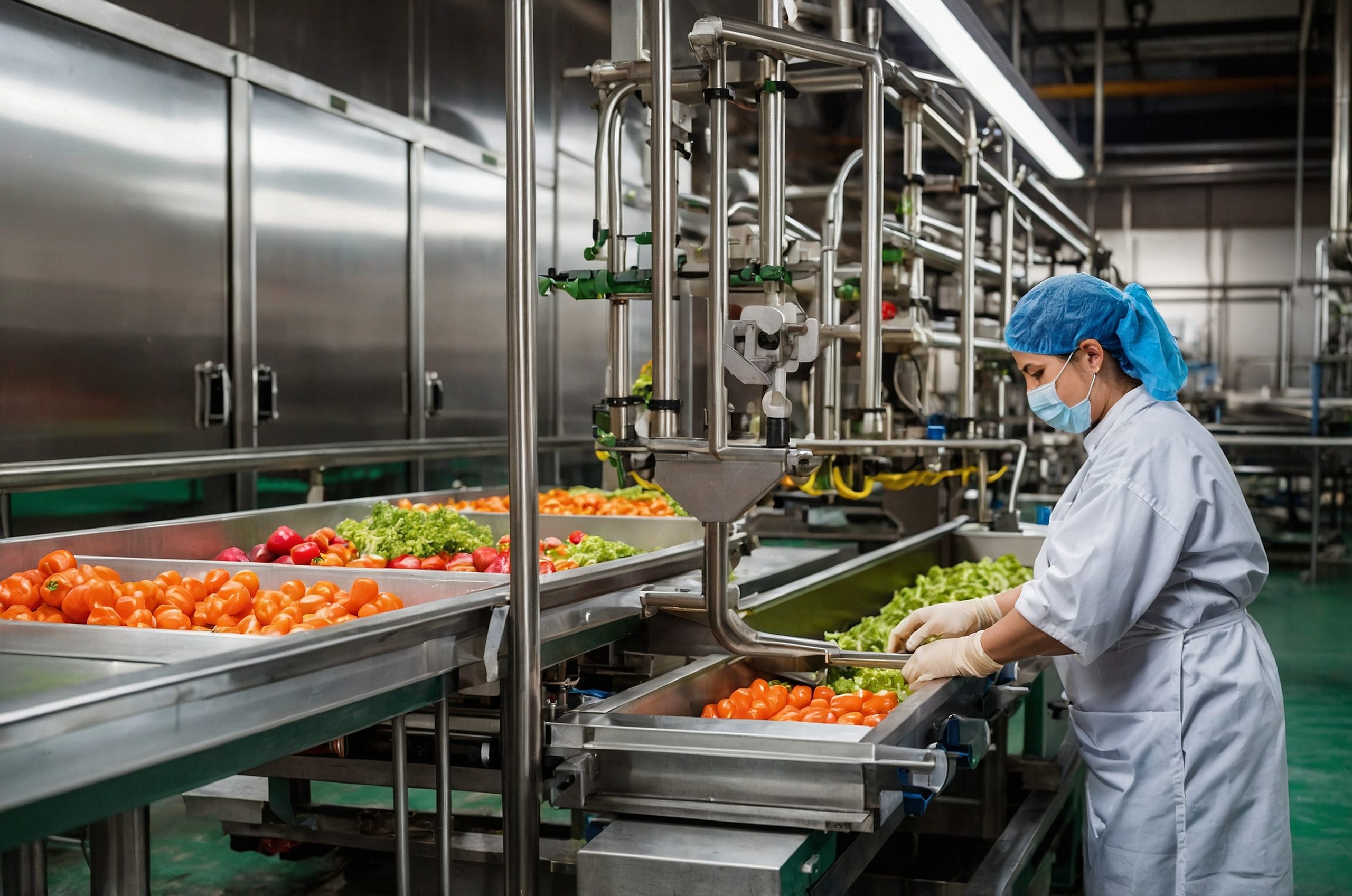
Where operators once relied mainly on paper-based instructions, experience and verbal handovers, today’s manufacturing environments are increasingly supported by smart digital tools. These solutions assist operators in their daily tasks, help prevent errors and ensure valuable knowledge remains within the organisation. This is where the concept of the smart operator comes into play. But what digital tools are available, and how do they contribute to more efficient production processes? In this blog, you will discover how digital support is shaping the factory of today and tomorrow.
Why digital tools are becoming essential in manufacturing
Manufacturers are under constant pressure to increase output, respond more quickly to changing demands and maintain consistently high quality standards. At the same time, machinery and production processes are becoming increasingly advanced. For operators, this means processing more information and making complex decisions more frequently – a challenging task without an operator support system. Many organisations are also facing a shortage of skilled technical staff. Experienced employees are retiring, while new recruits do not always possess the same level of expertise from day one. As a result, valuable process knowledge is at risk of being lost. Digital tools help manufacturers address these challenges effectively. By supporting operators with digital solutions, knowledge, procedures and work instructions are always readily available. This enables new employees to become productive more quickly while allowing experienced operators to work more efficiently. Digital tools also play an important role in maintaining quality. In environments where processes must be carried out with precision, digital systems significantly reduce the risk of human error.
What are digital tools for operators?
Digital tools for operators include software and technological solutions that support employees in their day-to-day activities. Their primary purpose is to make information more accessible and standardise processes, enabling operators to work faster, more accurately and with greater consistency. By ensuring that the same procedures and guidelines are always followed, digital tools also improve standardisation across the factory. Solutions that support the smart operator come in many forms, but they all have one thing in common: they provide operators with the right information at the right time. Examples include:
- Digital work instructions with step-by-step guidance.
- Checklists for quality inspections and routine checks.
- Dashboards displaying live production data.
- Mobile applications that provide instant access to information.
- Notification systems for deviations, breakdowns and maintenance activities.
- Knowledge bases containing procedures, best practices and operational expertise.
Operator support systems: Digital assistance on the shop floor
One solution that is becoming increasingly common in manufacturing is the operator support system. These systems provide operators with real-time guidance, information and support while they carry out their work. Instead of relying solely on inspections after production, checks become integrated into the production process itself. Information is presented exactly when it is needed, reducing the likelihood of errors. For example, an operator support system can:
- Display step-by-step instructions during a machine changeover.
- Alert operators when a required check has been skipped.
- Automatically present relevant information based on the current task.
- Provide access to product and process information from a single central platform.
- Guide operators through deviations or equipment faults.
A major advantage is that operators become less dependent on memory or paper documentation. Operator support systems also generate valuable operational data. Manufacturers gain insight into how processes are performed, where delays occur and which tasks require additional support. This makes continuous improvement initiatives much easier to implement.
From paper instructions to smart operator tools
Many manufacturers still rely on paper work instructions, manual forms and printed checklists. Compared with digital tools, however, this approach has several drawbacks. Paper documents can easily become outdated or misplaced, while manual administration consumes valuable time. It is also difficult to verify whether procedures have been followed correctly. Smart operator tools provide a modern alternative. Instead of lengthy text-based instructions, they can incorporate features such as:
- Images and instructional videos.
- Interactive step-by-step workflows.
- Automated checks and validations.
- Digital forms.
- Real-time feedback.
- Integration with other business systems.
This makes information not only more accessible but also easier to understand. In addition, organisations can clearly demonstrate which tasks have been completed, when they were carried out and by whom. This improves transparency throughout the entire production process.
What does this mean for the role of the smart operator?
The introduction of digital tools is transforming not only manufacturing processes but also the role of the operator. Today’s operators are increasingly becoming smart operators who use technology to monitor, improve and optimise production processes. Within smart manufacturing environments, operators are expected to be digitally skilled, capable of interpreting production data and able to identify opportunities for process improvement. They must also respond quickly and effectively when deviations occur. Digital tools help operators meet these expectations while reducing the amount of time spent on administration and information sharing, allowing them to focus on higher-value activities.
Questions about digital tools for operators in your factory?
Digital tools have become essential for manufacturers looking to improve operational efficiency and optimise production performance. Would you like to discover which solutions are best suited to your manufacturing environment? Or are you interested in taking the next step towards smart manufacturing? Get in touch with us for expert advice or a no-obligation consultation about the possibilities for your factory.