

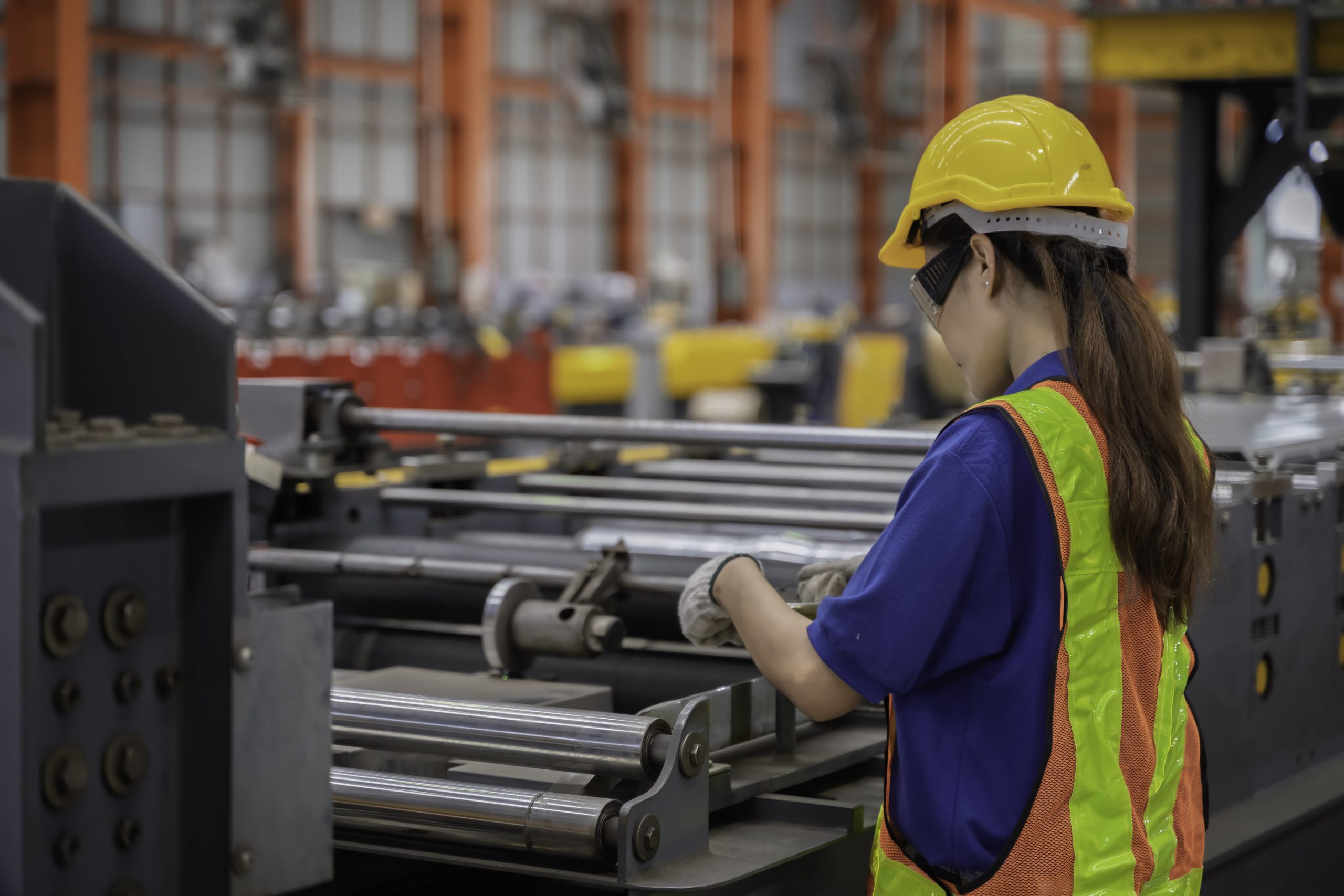
Quality and safety are top priorities for most manufacturing organisations. To maintain high standards in both areas, quality measurements and safety inspections are carried out on a regular basis. But how often should these checks actually take place? In this blog, you will discover why quality measurements and safety inspections are so important and how to determine the right inspection frequency for your manufacturing environment.
Why are quality measurements and safety inspections essential?
Quality measurements and safety inspections form the foundation of a reliable and efficient manufacturing operation. They help maintain a safe working environment by identifying deviations at an early stage and preventing issues before they result in product defects, accidents or production downtime. Examples include defective machinery, worn components or unsafe working conditions that can be identified through routine safety inspections. By detecting these issues early, organisations can take appropriate corrective action before incidents occur. Quality measurements, meanwhile, ensure that products consistently meet predefined specifications and quality standards. When deviations are detected early, corrective actions can be implemented immediately, significantly reducing the risk of rejected products, customer complaints and costly rework. Together, quality measurements and safety inspections also improve business continuity by reducing equipment failures, minimising downtime and maintaining consistent product quality.
What are safety inspections in a manufacturing environment?
Safety inspections include all checks and inspections designed to prevent accidents and ensure a safe working environment. They may relate to machinery, production equipment, workstations and operational processes. Common safety inspections include:
- Inspections of machinery and production lines.
- Checking safety devices such as emergency stops and machine guards.
- Inspection of electrical installations.
- Inspection of personal protective equipment (PPE).
- Reviewing working procedures and safety instructions.
- Assessing workplace risks.
In addition to technical inspections, behavioural and process-based safety checks also play an important role. These focus on whether employees follow safety procedures correctly and comply with established working practices. By carrying out safety inspections on a regular basis, manufacturers gain a clear understanding of potential risks and can implement improvements before problems arise.
How often should safety inspections be carried out?
There is no universal rule for how often safety inspections should be performed. The appropriate inspection frequency depends on a combination of risk levels, legal requirements and the intensity with which machinery and equipment are used. The required frequency may also vary depending on the type of inspection or conformity assessment being performed. For example, operators or team leaders often carry out daily visual inspections to identify obvious defects, leaks, damage or other abnormalities. Weekly or monthly inspections generally focus on broader safety aspects, including machine guarding, emergency systems and the overall condition of equipment. In addition, some inspections are legally required at fixed intervals. Examples include inspections of electrical installations, lifting equipment, pressure systems and other work equipment. The frequency of these inspections is often specified by legislation or recommended by the equipment manufacturer. A useful rule of thumb is:
“The higher the risk of injury, the more intensive the use of machinery, the more frequently production processes change, or the more incidents and near misses have occurred, the more frequently inspections should be carried out.”
For this reason, a thorough risk assessment is usually the starting point when determining an appropriate inspection schedule.
How often should quality measurements be performed?
The ideal frequency for quality measurements also depends on the production process. The objective is to detect deviations as early as possible without performing unnecessary measurements. In other words, measurements should always add value. For critical manufacturing processes, quality measurements are sometimes performed continuously using sensors and automated measurement systems. This allows deviations to be detected and corrected immediately. In other situations, measurements are carried out at predefined intervals, for example:
- At the start of a production batch.
- Every hour during production.
- Following a machine changeover or product change.
- At the end of the production process.
Where production processes are highly stable and historical data shows that deviations rarely occur, measurements can often be performed less frequently. However, processes involving critical quality characteristics or strict customer requirements usually require more frequent inspections. This is particularly true in industries such as food manufacturing, pharmaceuticals and high-tech manufacturing.
Which factors determine inspection frequency?
Determining the correct frequency for quality measurements and safety inspections requires careful consideration of several factors.
- Legal requirements
Certain installations and work equipment are subject to mandatory inspection and certification requirements. These regulations generally establish the minimum inspection frequency organisations must comply with.
- The type of machine or equipment
Not every machine requires the same level of maintenance or inspection. Complex or heavily utilised equipment generally requires more frequent inspections than simpler systems.
- Risk assessment
A risk assessment identifies potential hazards and quality risks within the production process. The greater the risk, the more frequently inspections are typically required.
- Historical data and previous incidents
Maintenance records, quality reports and incident logs provide valuable insights. If certain machines, components or processes repeatedly cause problems, increasing the inspection frequency may be advisable.
- Equipment usage
Machinery operating continuously experiences more wear than equipment used only occasionally. Higher utilisation therefore often requires more frequent inspections.
How to embed quality and safety into daily operations
Occasional inspections alone are not enough to achieve long-term improvements in quality and safety. Manufacturers need a structured approach in which inspections become an integral part of everyday operations. Clearly defined procedures ensure inspections are carried out consistently. By documenting responsibilities, required checks and the way results should be recorded, organisations gain greater control over their inspection processes. Digital inspection records make it much easier to document results, analyse trends and monitor follow-up actions. This enables manufacturers to identify risks earlier and implement improvements more effectively. Regular reviews are equally important. By analysing inspection data on an ongoing basis, organisations can determine whether their current inspection frequency remains appropriate or whether adjustments are required.
Questions about quality measurements and safety inspections in your factory?
Would you like to gain a better understanding of the optimal frequency for quality measurements and safety inspections within your organisation? Or are you looking for an efficient way to digitise your inspection processes and follow-up activities? Get in touch with us for expert advice on designing, carrying out and managing inspections within your manufacturing environment.